
Commercial Kitchen Equipment Maintenance: Tips to Extend Equipment Life and Reduce Costs
https://uploads.prod01.sydney.platformos.com/instances/647/assets/modules/homepage/webapp_uploads/blog/images/16x91776742812401-1776742813080.png?updated=1791890481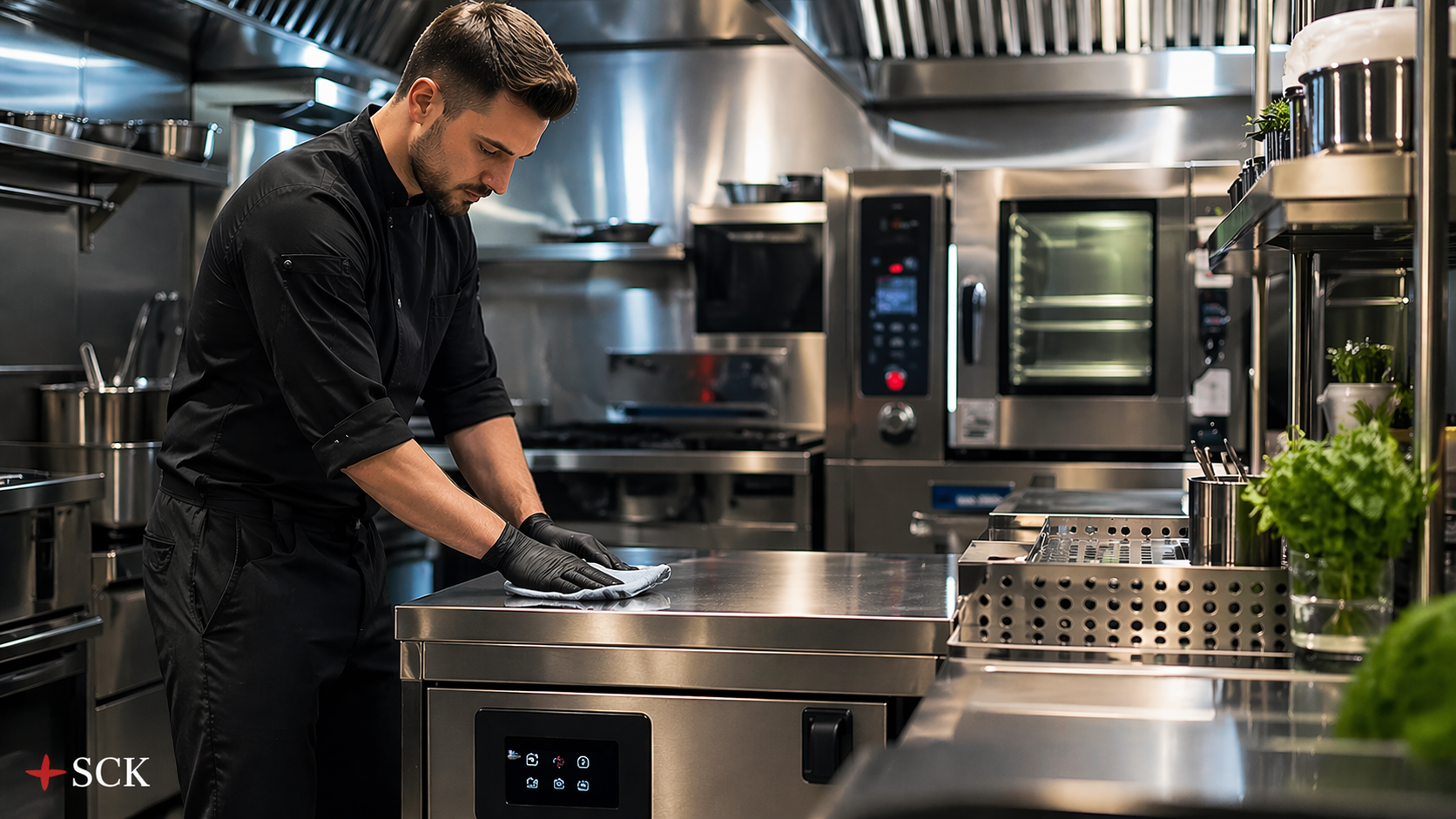
Commercial Kitchen Equipment Maintenance Tips to Extend Equipment Life and Reduce Costs
Running a successful commercial kitchen is not just about speed, quality, and service. Behind every smooth operation is well-maintained equipment working reliably day in and day out. From dishwashers and refrigeration units to ovens and prep equipment, regular maintenance is the difference between consistent performance and costly downtime.
For restaurant owners, café operators, caterers, and kitchen managers, proper maintenance is one of the smartest investments you can make. It extends equipment life, reduces repair costs, improves energy efficiency, and ensures compliance with food safety standards. In this guide, we break down practical, real-world maintenance strategies that help you protect your equipment and keep your kitchen running at peak performance.
What Does Commercial Kitchen Equipment Maintenance Involve?
Commercial kitchen equipment maintenance covers the routine care, cleaning, inspection, and servicing of all appliances used in food preparation and service. This includes:
- Daily cleaning and sanitation
- Weekly and monthly inspections
- Preventive servicing
- Component checks and replacements
- Calibration and performance testing
The goal is simple: prevent breakdowns before they happen and keep every piece of equipment operating efficiently.
Why Maintenance Matters in a Commercial Kitchen
Neglecting maintenance can quickly lead to serious problems. Equipment failures during peak service can disrupt operations, damage your reputation, and result in lost revenue.
Key benefits of regular maintenance:
- Extends equipment lifespan
- Reduces costly emergency repairs
- Improves energy efficiency
- Ensures consistent food quality
- Supports HACCP and food safety compliance
- Minimises downtime during busy service periods
A well-maintained kitchen is not just efficient, it is profitable.
Daily Maintenance Tips for Busy Kitchens
Daily maintenance is the foundation of long-term equipment performance. These simple habits can prevent major issues from developing.
Clean Equipment Thoroughly After Each Use
Food debris, grease, and residue can damage components and affect performance. Ensure all surfaces, filters, and removable parts are cleaned at the end of each shift.
Check for Visible Wear and Tear
Train staff to look for warning signs such as leaks, unusual noises, or inconsistent performance. Early detection can prevent expensive repairs.
Maintain Proper Ventilation
Blocked vents and filters can cause overheating, especially in ovens and refrigeration units. Keep airflow clear to maintain efficiency.
Empty and Clean Drip Trays
Overflowing trays can lead to hygiene issues and equipment damage, particularly in refrigeration and beverage systems.
Weekly and Monthly Maintenance Checklist
Routine scheduled checks ensure nothing is overlooked.
Weekly Tasks
- Clean condenser coils on refrigeration units
- Inspect door seals for fridges and freezers
- Check spray arms and filters in dishwashers
- Test temperature accuracy on ovens and coolers
Monthly Tasks
- Inspect electrical connections for wear
- Check water lines and drainage systems
- Lubricate moving parts where required
- Review overall equipment performance
Creating a structured maintenance checklist ensures consistency across your team.
Equipment-Specific Maintenance Tips
Different types of equipment require tailored care. Here is how to maintain key items in your kitchen.
Commercial Dishwashers
Regular cleaning of filters and spray arms is essential. Machines like the Eswood Smartwash SW500 are designed for reliability, but consistent maintenance ensures optimal washing performance and hygiene compliance.
- Clean wash arms daily
- Descale regularly to prevent mineral buildup
- Check rinse temperatures for sanitation standards
Refrigeration Units
Fridges and freezers run continuously, making maintenance critical.
- Clean condenser coils weekly
- Check door seals for air leaks
- Maintain proper temperature settings
Commercial Ovens
Ovens handle heavy workloads and require regular care.
- Remove grease buildup to prevent fire risks
- Calibrate temperature controls
- Inspect fans and internal components
Food Preparation Equipment
Mixers, slicers, and processors need careful handling.
- Clean blades and attachments thoroughly
- Lubricate moving parts
- Ensure safety guards are functioning correctly
Preventive Maintenance vs Reactive Repairs
One of the biggest mistakes operators make is waiting until equipment fails.
Preventive Maintenance
- Scheduled servicing
- Routine inspections
- Lower long-term costs
- Minimal disruption
Reactive Repairs
- Emergency breakdowns
- Higher repair costs
- Unexpected downtime
- Potential loss of business
Preventive maintenance is always the smarter and more cost-effective approach.
Real-World Scenario: A Busy Café Kitchen
Imagine a high-volume café serving hundreds of customers daily. Their dishwasher runs continuously, refrigeration units are opened frequently, and ovens are in constant use.
Without a maintenance routine:
- The dishwasher develops scale buildup and loses efficiency
- The fridge struggles to maintain temperature due to dirty coils
- The oven produces inconsistent results
With proper maintenance:
- Equipment runs efficiently during peak hours
- Energy costs remain controlled
- Food quality stays consistent
- Downtime is avoided
The result is smoother service, happier customers, and better profitability.
Why This Approach Works Better Than Alternatives
Some operators rely solely on repairs when issues arise. Others overlook maintenance entirely due to time constraints.
This model fails because:
- Repairs are significantly more expensive than prevention
- Equipment downtime disrupts service
- Poor performance impacts food quality
A proactive maintenance strategy ensures reliability, consistency, and long-term savings, making it the better choice for any commercial kitchen.
The Real Benefits for Your Kitchen
By implementing a structured maintenance routine, you gain:
- Longer equipment lifespan
- Lower operating and repair costs
- Improved kitchen efficiency
- Consistent food quality
- Better compliance with safety standards
This is not just about maintaining equipment, it is about protecting your business.
Why Buy and Maintain Equipment with Sydney Commercial Kitchens
When it comes to sourcing and maintaining commercial kitchen equipment, Sydney Commercial Kitchens is a reliable partner for hospitality businesses.
With a wide range of trusted brands and expert support, SCK helps you choose equipment that is built for durability and easy maintenance. Whether you are investing in a commercial dishwasher, refrigeration system, or cooking equipment, having the right supplier makes a significant difference in long-term performance.
Frequently Asked Questions
How often should commercial kitchen equipment be serviced?
Most equipment should be professionally serviced every 6 to 12 months, depending on usage levels. High-use items may require more frequent checks.
What is the lifespan of commercial kitchen equipment?
With proper maintenance, most equipment can last 8 to 15 years or more, depending on the type and workload.
What is the most important daily maintenance task?
Consistent cleaning is the most important step. It prevents buildup that can damage components and affect performance.
How can I reduce equipment repair costs?
Implement a preventive maintenance schedule and train staff to identify early warning signs.
Do all kitchen staff need maintenance training?
Yes. Basic maintenance awareness helps staff identify issues early and maintain equipment properly.
Is professional servicing necessary?
Absolutely. Professional technicians can identify issues that may not be visible during routine checks.
What equipment requires the most maintenance?
Dishwashers, refrigeration units, and cooking equipment typically require the most attention due to frequent use.
Final Thoughts
Commercial kitchen equipment is one of the biggest investments in any foodservice business. Protecting that investment with a structured maintenance plan is essential for long-term success.
By focusing on daily care, scheduled inspections, and preventive servicing, you can extend equipment life, reduce costs, and keep your kitchen operating at its best.
Make your business our next satisfied client
If you are looking to buy equipment for your cafe or restaurant at the best price, then let us do the hard work and source the right product for your restaurant, cafe, takeaway or commercial kitchen.
Our goal at SCK is to sell you products that add value to your business.
We power your kitchen!
Sydney Commercial Kitchenshttps://uploads.prod01.sydney.platformos.com/instances/647/assets/modules/homepage/images/sck.svg?updated=1791890481