
How can I ensure my commercial dishwasher meets hygiene standards
Our AI Chef Says
Ensuring that your commercial dishwasher meets hygiene standards is essential for maintaining a safe and efficient kitchen environment. Here are some key steps to consider:
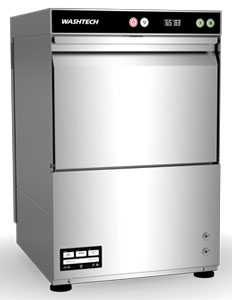
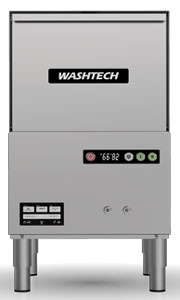
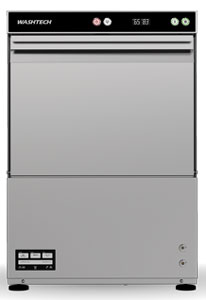
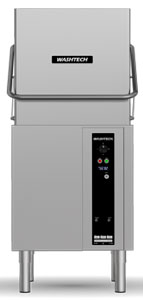
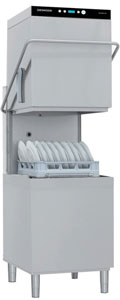
1. **Choose the Right Dishwasher**: Opt for a commercial dishwasher that is designed specifically for your needs. Models like the Eswood Smartwash SW500 and Washtech UD Professional Dishwashers offer features like multiple wash cycles and temperature displays that help in achieving optimal hygiene. Look for machines with options suited for heavily soiled items and capable of high throughput.
2. **Follow HACCP Guidelines**: Implementing a HACCP (Hazard Analysis Critical Control Point) plan will help you maintain food safety and hygiene standards. Commercial dishwashers that have features supporting HACCP recording, such as the Eswood Smartwash SW500, can assist in monitoring and documenting wash and rinse temperatures.
3. **Regular Maintenance**: Schedule regular maintenance for your dishwasher to ensure it operates efficiently. This includes cleaning filters, checking rinse arms and ensuring that all components function correctly. Machines like the Washtech UL Premium Glasswasher/Dishwasher come with features like thermal insulation and self-cleaning cycles, which can enhance hygiene and reduce manual labour.
4. **Correct Chemical Usage**: Use approved detergents and rinse agents that are designed for commercial dishwashers. This not only aids in effective cleaning but also ensures that all items are safe for food contact after washing.
5. **Water Temperature**: Ensure that your dishwasher can achieve the required water temperatures for effective sanitisation. Commercial standards generally require a final rinse temperature of at least 82°C. Models like the Washtech UD Dishwasher are equipped with thermal guarantees to help meet these standards.
6. **Training Staff**: Train your staff on proper loading techniques, as overcrowding the dishwasher can impede cleanliness. Proper loading enhances water circulation, ensuring all items are effectively washed and rinsed.
7. **Inspection and Monitoring**: Regularly inspect your dishwasher for wear and tear and monitor performance for any irregularities. Most commercial dishwashers are designed to provide diagnostic information, allowing you to address issues before they compromise hygiene standards.
8. **Compliance with Local Regulations**: Stay informed about local regulations and standards pertaining to commercial kitchens and dishwashing. This may include health department requirements, so be sure to review these periodically to ensure compliance.
By integrating these practices into your operation, you can help ensure that your commercial dishwasher not only meets but exceeds hygiene standards, contributing to the effectiveness and reputation of your establishment. If you're considering an upgrade or need assistance selecting the right equipment, feel free to contact us at Sydney Commercial Kitchens for expert guidance.
Was this helpful?
0
Ask The Chef A New Question
Need More Help?
Feedback Received
Thank you for your feedback! This helps us improve our knowledge base.