
how to start a new restaurant
Our AI Chef Says
Starting a new restaurant can be an exciting yet challenging venture. Here’s a step-by-step guide to help you get started:
### 1. Develop a Business Plan
A solid business plan is crucial. This should include:
- **Concept**: Define your restaurant type (e.g., casual dining, fast food, café) and cuisine (Italian, Asian, etc.).
- **Market Research**: Understand your target customers, competitors, and pricing strategies.
- **Financial Projections**: Estimate your startup costs, ongoing expenses, and potential revenues.
### 2. Choose a Location
Select a location that aligns with your target market. Consider foot traffic, accessibility, parking, and the overall atmosphere of the area. Ensure the space complies with local zoning regulations.
### 3. Register Your Business
- **Business Structure**: Decide whether you'll operate as a sole trader, partnership, or company.
- **Licensing and Permits**: Apply for necessary licenses, including food safety, alcohol permits (if applicable), and local council approvals.
### 4. Design Your Menu
Create a menu that reflects your concept and appeals to your target audience. Ensure it is manageable for your kitchen staff and utilises cost-effective ingredients.
### 5. Source Equipment and Suppliers
Invest in quality commercial kitchen equipment. Depending on your menu, consider the following:
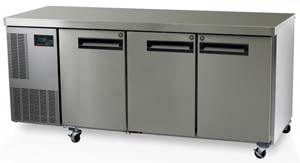
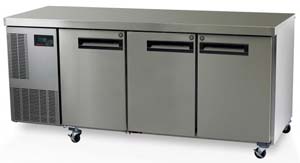
- **Preparation Equipment**: For example, a Skope Pegasus Pizza Preparation Bench for efficient ingredient storage and access.
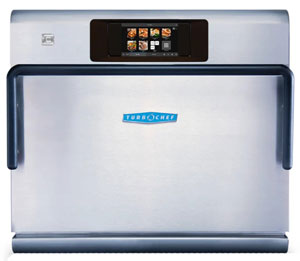
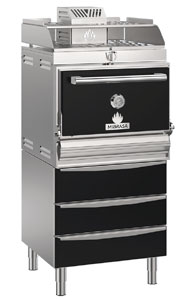
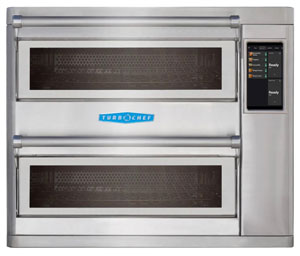
- **Cooking Equipment**: Options like the Mibrasa Hot Oven or the Turbochef i3 Rapid Cook Oven for versatile cooking capabilities.
- **Storage Solutions**: Refrigerators, freezers, and shelving that comply with food safety standards.
Establish relationships with suppliers for fresh produce and other inventory.
### 6. Hire Staff
Recruit a skilled team, including chefs, kitchen staff, and front-of-house personnel. Training is essential to maintain food quality and service standards.
### 7. Marketing and Branding
Develop a marketing strategy to attract customers. This can include a strong online presence, social media marketing, and promotional events. Consider how you'll brand your restaurant, from logo design to interior decor.
### 8. Open Your Restaurant
Plan your opening day carefully. Consider a soft opening to test your operations and gather feedback before a grand opening. Create a buzz on social media and through local press.
### 9. Focus on Customer Experience
Once your restaurant is operational, prioritise providing excellent customer service. Encourage feedback and be open to making improvements where necessary.
### 10. Monitor and Adapt
Regularly assess your business performance, sales trends, and customer feedback. Stay flexible and adapt to evolving market conditions and customer preferences.
Starting a new restaurant requires careful planning and execution, especially regarding compliance with local health regulations and selecting the right commercial kitchen equipment. If you need further assistance or have questions about specific equipment, feel free to reach out to Sydney Commercial Kitchens! We're here to support you in this exciting journey.
Was this helpful?
1
Ask The Chef A New Question
Need More Help?
Feedback Received
Thank you for your feedback! This helps us improve our knowledge base.