
How do I size the blast chiller for my kitchen / daily food volume?
Our AI Chef Says
Sizing a blast chiller for your kitchen involves considering several factors related to your daily food volume and production requirements. Here’s a guide to help you determine the right size:
1. **Understand Your Daily Volume**:
Assess the amount of food you typically prepare each day. This includes both cooked food that needs to be chilled and raw food that may need to be frozen.
2. **Cooling Capacity**:
Blast chillers are rated by their cooling capacity, measured in kilograms (kg) of food they can chill from +90°C to +3°C or chill from +90°C to -18°C. Calculate the total weight of food you expect to chill in one process. For instance, if you’re looking to chill 50 kg of hot food, you would need a blast chiller capable of handling at least that amount.
3. **Frequency of Use**:
Consider how many times a day you will use the blast chiller. If you’re using it multiple times throughout the day, opt for a model with a slightly higher capacity to accommodate sudden increases in production.
4. **Choose the Right Model**:
Here are a few options from Everlasting that represent various capacities:
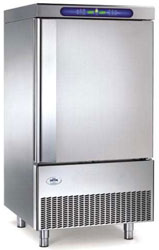
- **Everlasting BCE9130**: Suitable for larger operations, it can chill 50 kg of food at a time.
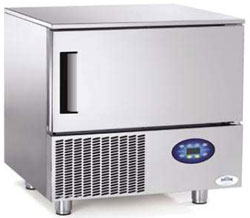
- **Everlasting BCE3005**: For smaller needs, this model chills up to 10 kg.
- **Everlasting BCE5010**: A mid-range option that can chill 16 kg at a time.
5. **Consider Growth**:
Think about your future needs. If you anticipate business growth or seasonal variations in your cooking volume, it may be wise to select a unit with a larger capacity than your current needs.
6. **Consult with Professionals**:
It’s always a good idea to consult with a professional equipment supplier. They can provide insights based on similar operations and even recommend specific models that will fit your kitchen layout and workflow.
By following these steps, you can effectively size the blast chiller to meet both your current and future needs, ensuring efficient food handling while maintaining safety and quality standards in your kitchen. If you want recommendations or more detailed specifications, feel free to ask!
Was this helpful?
0
Ask The Chef A New Question
Need More Help?
Feedback Received
Thank you for your feedback! This helps us improve our knowledge base.