
How do I size/capacity a Commercial Milk Shake Mixers for my business?
Our AI Chef Says
When sizing and selecting a commercial milkshake mixer for your business, there are several key factors to consider to ensure it meets your operational needs and customer demand effectively. Here’s a comprehensive guide:
1. **Production Volume**: Estimate the number of milkshakes you expect to serve during peak hours. This will help determine the capacity and type of mixer you need. For high-volume settings such as ice cream shops or diners, a powerful mixer capable of handling multiple servings quickly is essential.
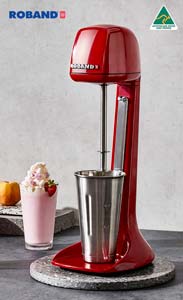
2. **Mixer Type and Size**: Commercial milkshake mixers come in various types, from bench-top models like the Roband DM31, which features a two-speed motor and can handle a significant workload, to larger floor models for very high volume demands. Consider your kitchen space as well; a compact mixer may be necessary for smaller kitchens.
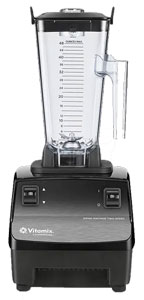
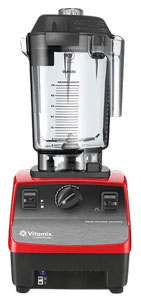
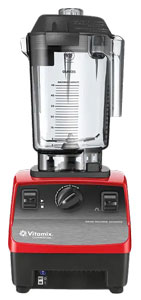
3. **Speed and Efficiency**: Look for mixers with adjustable speeds to create different textures and styles of shakes. For instance, the Vitamix 10011 offers high speeds (up to 37,000 RPM), which can accommodate a range of ingredients from fruit to ice cream, making it versatile for any shake or smoothie.
4. **Durability and Material**: Choose a mixer made from high-quality materials that can withstand daily use. Stainless steel components are preferable for hygiene and longevity. The Roband DM31, with its stainless steel beater and fully sealed design, is an excellent option for avoiding contamination.
5. **Accessories and Features**: Some mixers come with additional features or accessories that can enhance your service. For instance, the Saturn beater included with the Roband DM31 is designed for creating extra fluffy shakes, adding variety to your menu.
6. **Ease of Cleaning and Maintenance**: Select a model that is easy to clean to comply with health regulations and maintain efficiency. Look for sealed motors and removable parts for easier maintenance.
7. **Power Requirements**: Check the electrical requirements and ensure your kitchen can accommodate the machine's power needs. For example, the Vitamix models often require specific wattage, so ensuring compatibility with your kitchen setup is crucial.
8. **Warranty and Support**: Finally, consider the manufacturer's warranty and customer support options. Brands like Roband, Vitamix, and others offer solid warranties which can provide peace of mind.
In summary, assess your business's needs regarding volume and menu offerings, and choose a machine that provides the right capacity, speed, durability, and features. Some good options to consider include the **Roband DM31**, **Vitamix 10011**, and similar high-quality brands listed on the Sydney Commercial Kitchens website, ensuring you make an informed choice for your commercial kitchen.
Was this helpful?
0
Ask The Chef A New Question
Need More Help?
Feedback Received
Thank you for your feedback! This helps us improve our knowledge base.