
how can i make a kitchen my self?
Our AI Chef Says
Creating a commercial kitchen yourself can be a rewarding project, whether you are setting up a small café, a restaurant, or a food truck. Here's a step-by-step guide to help you through the process:
### Step 1: Planning Your Kitchen Layout
1. **Determine the Space**: Measure the area you have available for your kitchen. Ensure it complies with local health and safety regulations.
2. **Design the Flow**: Organise the kitchen layout to create an efficient workflow. Consider zones for cooking, preparation, plating, and cleaning.
### Step 2: Choose Essential Equipment
Depending on your menu, you'll need various pieces of kitchen equipment. Essential items may include:
- **Cooking Equipment**: Ovens, cooktops, grills, and fryers.
- **Preparation Equipment**: Food processors, mixers, and cutting tables.
- **Storage**: Refrigerators, freezers, and dry storage units.
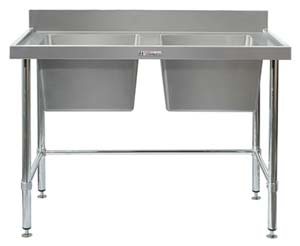
- **Dishwashing**: Sinks and dishwashers.
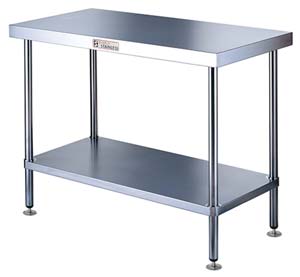
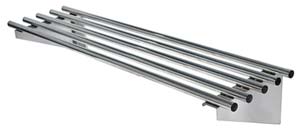
- **Furniture**: Workbenches and shelving units.
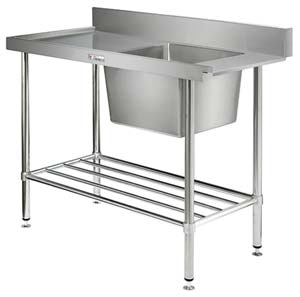
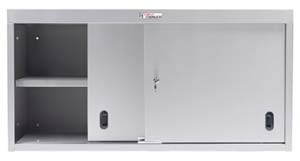
For example, you might consider a **Simply Stainless SS29-0900 Wall Cupboard** for efficient storage of items within easy reach, and the **Simply Stainless SS05-7-0600 Sink Bench** for adequate food prep and washing space.
### Step 3: Compliance with Regulations
Ensure your kitchen meets local health and safety regulations. This includes:
- Proper ventilation
- Compliance with food handling and safety standards
- Adequate plumbing and electrical setups
### Step 4: Purchase and Install Equipment
Once you've chosen what you need, purchase your equipment. For high-quality options, consider reputable brands such as:
- **Simply Stainless**: Known for their durable stainless steel equipment, which is ideal for commercial kitchens.
- **Moffat**: Offers a wide range of cooking and food preservation equipment.
- **Turbochef**: Specialises in cooking technology that promotes efficiency.
### Step 5: Set Up Utilities
Coordinate with professionals to ensure you're set up with the right plumbing, gas, and electrical services required for your equipment.
### Step 6: Stock Your Kitchen
Procure food supplies and any additional small wares needed for day-to-day operations, like pots, pans, utensils, and crockery.
### Step 7: Train Your Staff
Ensure your kitchen staff understands the equipment and layout. Focus on safety and best practices in food handling.
### Conclusion
Building your own kitchen requires careful planning and investment, but with the right equipment and knowledge, you can create a space that meets your culinary needs. Start by drafting a layout and list your necessary equipment, and don't hesitate to consult industry professionals when needed. If you have any specific needs or questions about equipment, feel free to ask!
Was this helpful?
0
Ask The Chef A New Question
Need More Help?
Feedback Received
Thank you for your feedback! This helps us improve our knowledge base.